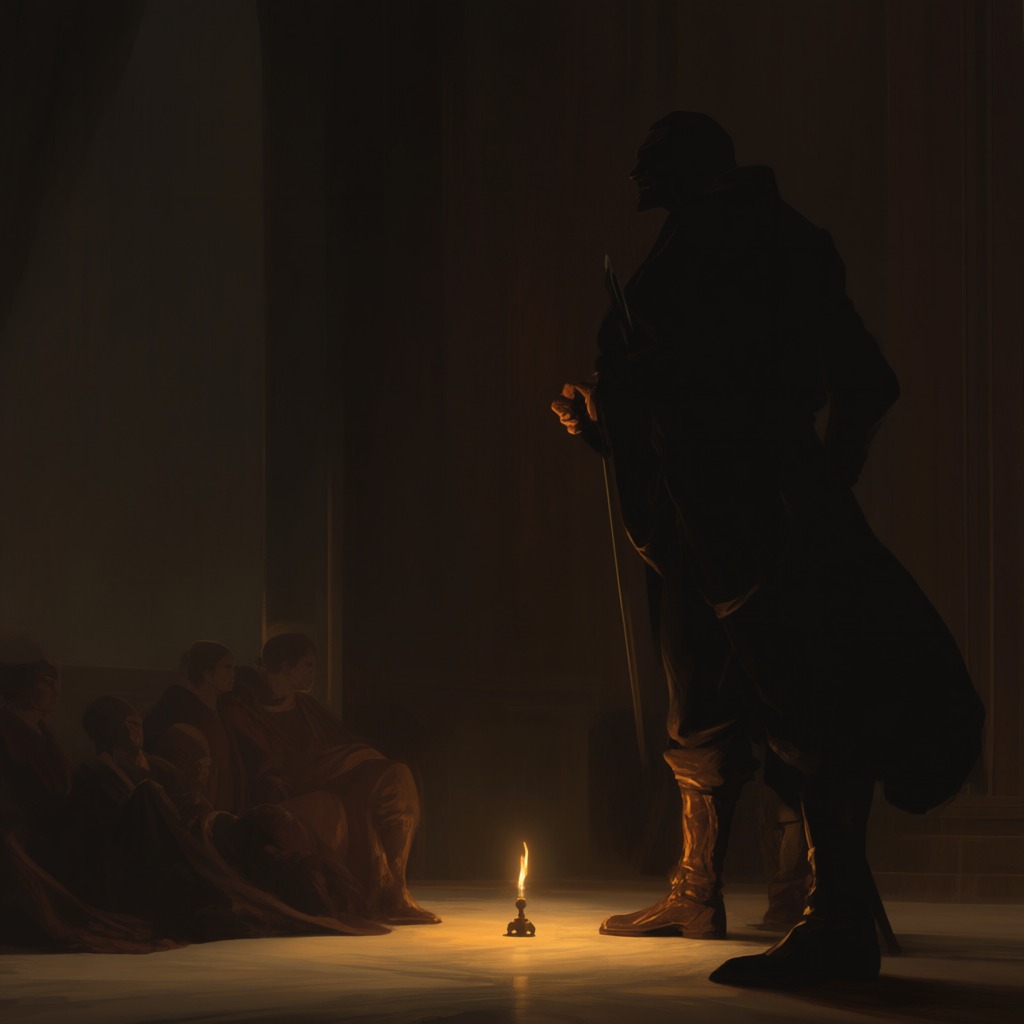
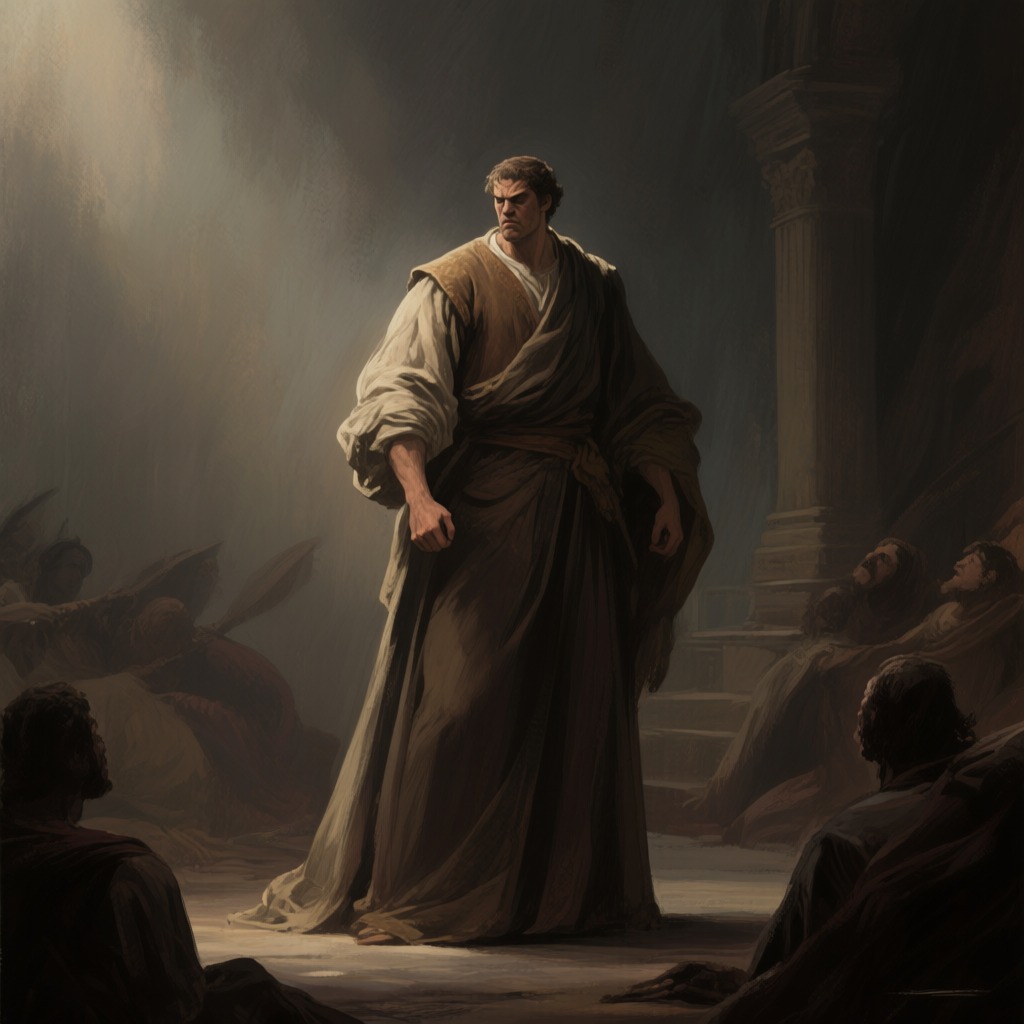
Phillipe Horowitz
Phillipe Horowitz is an agent of the Œuvre de Secours aux Enfants (OSE), the Jewish children's aid organization, who, together with his colleague Nathaniel Lerner, travels to Carriveau in the spring of 1945 to reclaim the orphaned Jewish child Ari de Champlain. His arrival at Le Jardin forces the novel's most wrenching separation, ending Vianne Mauriac's years-long effort to hide and raise Ari as her own son and confronting her with the irreducible cost of the war's aftermath: that love and protection cannot always keep a family together.
Role and Mission
Horowitz appears at Le Jardin on a blue-skied March day in 1945, accompanied by Lerner, both men wearing threadbare black suits and black berets. He carries a tattered briefcase and speaks with a gentle but firm authority. He identifies himself as being from the OSE and states plainly that they have come for Ari de Champlain, explaining that Ari has relatives in Boston who have contacted the organization. Horowitz's mission is to reunite the surviving remnant of Jewish children with whatever family remains, a task made urgent by the genocide that has wiped out an entire generation. He tells Vianne, "Millions of Jews were killed in this war, Madame. Millions. An entire generation is gone. We need to band together now, those few of us who are left; we need to rebuild." For Horowitz, Ari is not merely one child but a symbol of the future of the Jewish people, and he insists that the boy must be raised within his own faith and community.
Confrontation with Vianne
When Vianne protests that she loves Ari and wants to adopt him, raising him as a Jew while keeping him in her home, Horowitz gently but inexorably counters her arguments. He acknowledges her love and the sacrifice she has made, calling her rescue of nineteen Jewish children "heroic," but he refuses to let sentiment override what he sees as a collective necessity. He tells her, "One boy with no memory of who he was may seem a small thing to lose, but to us, he is the future. We cannot let you raise him in a religion that is not yours and take him to synagogue when you remember. Ari needs to be who he is, and to be with his people. Surely his mother would want that." His words carry the weight of the Holocaust itself, and Vianne, who has seen the skeletal survivors at the Hôtel Lutetia and the wall of photographs of the missing, cannot find an argument strong enough to refute him.
The Separation
Horowitz and Lerner take Ari that same day. Vianne packs the boy's few belongings—a threadbare stuffed monkey, a piece of petrified wood, and the quilt she embroidered with "To Our Daniel, love Maman, Papa, and Sophie"—and leads him to the waiting blue Peugeot. Horowitz watches as Vianne kneels in the grass and tells the five-year-old that he must go to America to live with his mother's cousin. When the boy cries and clings to her, Horowitz does not intervene with force but waits, letting Vianne perform the last act of her motherhood: getting him into the car. He slides into the backseat beside Ari and closes the door, and the automobile drives away with the child screaming "Maman!" through the window. Horowitz's role is that of an agent of history, a man who must break one family to preserve the possibility of another, and his quiet, unyielding presence makes the scene one of the novel's most devastating reckonings with the war's legacy.
Significance
Phillipe Horowitz represents the institutional aftermath of the Holocaust—the organized effort to gather the scattered remnants of Jewish children and return them to their people. He is not a villain but a man performing a necessary and heartbreaking duty, and his confrontation with Vianne crystallizes the novel's central tension between individual love and collective survival. His arrival marks the end of Vianne's active resistance work and the beginning of the long, painful process of reckoning with loss. In the reunion scene fifty years later, Vianne learns that Ari de Champlain, now an adult, has spent years searching for her, and that the photograph of Rachel she slipped into his rucksack has been with him ever since—a quiet testament that Horowitz's separation, however necessary, could not erase the bonds forged in the war.